

If you work in textile processing, you know the overflow dyeing machine is one of the workhorses of the trade. These machines efficiently handle knitted and woven fabrics, delicately moving fibers through dye liquor while maintaining even color penetration. But like any heavy industrial equipment, they come with risks-from high-temperature liquid burns to mechanical failures that can threaten operator safety and damage valuable materials. As a supplier of overflow dyeing machines, our team at [Company Name] has spent years working with mill operators to refine safety protocols, blending engineering design features with hands-on best practices to keep workplaces secure. In this post, we'll break down the critical safety precautions every operator, maintenance tech, and facility manager should follow when using these systems, drawing on real-world experience from installations across global textile plants.
Start With Proper Training: The Foundation of Safe Operation
No amount of machine safety features can compensate for untrained personnel. Overflow dyeing machines are complex systems with interconnected components: high-temperature (HT) heating elements, liquor circulation pumps, fabric feed mechanisms, and control panels that regulate pressure and temperature. Every operator should complete formal, hands-on training that covers not just how to run a cycle, but what to do when something goes wrong. For example, our team often observes new operators skipping the step of verifying machine lockout/tagout (LOTO) before performing minor adjustments, a mistake that can lead to sudden start-ups.
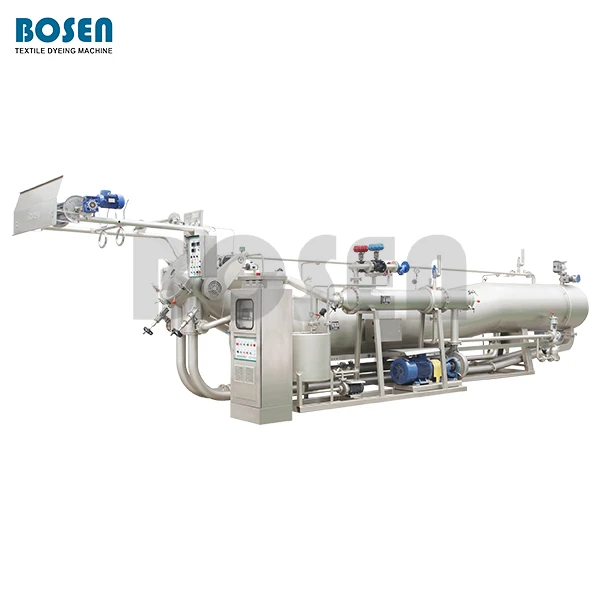

Training should also include familiarity with the specific machine model being used-whether it's a high-performance system for delicate knits like the Rapid Ht Overflow Dyeing Machine For Knitted Fabric, designed with gentle fabric handling to prevent snags, or the Ht Air Liquid Flow Dyeing Machine, which uses air-liquid mixing to reduce fabric tension. Each model has unique operational quirks: the Eco Friendly Overflow Dyeing Machine, for instance, incorporates closed-loop liquor systems that require different pressure checks than open-loop designs. Operators should be trained to reference the machine's operation manual for model-specific steps, not just general guidelines. Refresher training, held quarterly or after new machine installations, is also key to keeping knowledge sharp, especially for seasonal staff who may only use these machines periodically.
Pre-Operation Checks: Catching Risks Before They Escalate
Before powering up an overflow dyeing machine, a 10-minute pre-operation walkthrough can eliminate most common hazards. The first step is inspecting the machine's exterior for obvious issues: worn hoses, loose bolts on the door hinges, or cracked pressure gauges. Pressure buildup inside the dye tank is a major risk-overpressurization can cause the tank door to blow open, spraying hot dye liquor at temperatures exceeding 130°C (266°F). Always confirm that pressure relief valves are unblocked and calibrated correctly; these valves are designed to release excess pressure automatically, but they only work if they're free of lint, dye residue, or debris.
Next, check fabric loading and the liquor level in the tank. Overloading the machine-trying to fit more fabric than the manufacturer recommends-strains the circulation pump, increases the risk of fabric snags, and can cause the machine to surge with hot liquid. The fabric should be evenly spread across the feed chute, with no tangled sections that could jam the rollers or pump impeller. For machines used for woven fabrics, like the Eco Friendly Overflow Dyeing Machine For Woven Fabric, operators should pay extra attention to selvedges, which can catch on the machine's guides if not aligned properly.
Don't forget electrical and control panel checks. Dirty or corroded wiring connections can cause short circuits, while damaged control buttons may fail to stop the machine in an emergency. Test the emergency stop (E-stop) button at the start of every shift to confirm it cuts power immediately-this simple test takes 20 seconds and can prevent serious injuries. Also, ensure that the machine's interlock systems (which keep the door locked during operation) are functional; tampering with interlocks is a common shortcut that leads to accidents, so facilities should enforce strict rules against disabling these safety features.
During Operation: Staying Alert and Prepared
Once a cycle starts, operators should never leave the machine unattended, even if it's running automatically. Overflow dyeing cycles can run for hours, and issues can develop quickly: a pump seal may leak hot dye, a temperature sensor may fail leading to overheating, or fabric can tear and wrap around the impeller. When monitoring the cycle, operators should focus on key parameters displayed on the control panel: temperature, pressure, liquor flow rate, and fabric tension. If any of these deviate from the setpoint, pause the cycle immediately and investigate-don't wait for an alarm that may not activate in time.
Personal protective equipment (PPE) is non-negotiable during operation. Even with the best machine design, hot dye splashes can happen, so all staff working near the machine must wear heat-resistant gloves, safety goggles, and closed-toe, slip-resistant shoes. Long sleeves should be tucked in, and loose jewelry or hair ties should be secured to prevent them from catching on moving parts. Many mills overlook PPE for operators of the Rapid Ht Overflow Dyeing Machine, assuming its enclosed design eliminates splash risk-but splashes still occur during loading and unloading, so PPE is always required.
Another critical during-operation rule: never reach into the machine's tank or feed chute while it's running. Even if the E-stop is pressed, some components may retain momentum, and hot liquor can slosh out when disturbed. If you need to adjust fabric mid-cycle, pause the machine, lock it out, and wait for the tank to cool completely before opening the door. For machines with air-liquid flow, like the Ht Air Liquid Flow Dyeing Machine, extra caution is needed when adjusting air pressure-sudden air surges can blow fabric out of the machine or push hot liquor toward the operator.
Maintenance: Preventing Mechanical Failures
Preventive maintenance is the backbone of long-term safety for overflow dyeing machines. A well-maintained machine is less likely to leak, jam, or suffer catastrophic failure. Maintenance should be scheduled based on the machine's usage: heavy-use mills (running two shifts daily) may need weekly checks, while light-use facilities can do biweekly checks. Our team recommends creating a maintenance checklist tailored to each machine model, covering the following key areas:
- Pump and Impeller Inspections: The pump is the heart of the overflow machine, moving liquor and fabric through the system. Every month, check the impeller for wear-worn blades can create uneven flow, increasing fabric tension and leading to snags. Replace pump seals every three months to prevent hot liquor leaks; a leaky seal can lead to electrical shorts if it comes into contact with wiring.
- Heating System Checks: HT overflow machines use steam or electric heating to bring dye liquor to temperature. Inspect steam lines for leaks every two weeks, and test the temperature sensor monthly to ensure it's reading accurately. A faulty sensor can cause the machine to overheat, leading to liquor vaporization and increased tank pressure.
- Door and Seal Maintenance: The machine door's rubber seal prevents leaks, so check it for cracks or tears every month. A damaged seal can cause pressure loss during cycles and allow hot liquor to seep out around the door. Tighten door hinge bolts quarterly to ensure the door closes evenly, and test the interlock system each time maintenance is completed to confirm it locks the door during operation.
- Pressure Relief Valve Calibration: Calibrate the pressure relief valve every six months. Over time, the valve can become stuck or lose its calibration, so testing it with a pressure gauge ensures it releases correctly if internal pressure gets too high. This is especially important for older machines, even well-built models like the Ht Overflow Dyeing Machine need regular calibration to maintain safety.
Record-keeping is part of maintenance too. Every maintenance check, part replacement, and calibration should be logged in a digital or physical file. This helps identify recurring issues-if a particular machine's pump is failing every three months, for example, it may be a sign of overloading or a design quirk that needs adjustment. It also helps with compliance, as many occupational safety agencies require documentation of industrial equipment maintenance.
Emergency Response: Being Prepared When Things Go Wrong
Even with the best precautions, emergencies can happen. Every textile facility that uses overflow dyeing machines should have a written emergency response plan, and all staff should be trained on its steps. The plan should cover three common emergencies: hot liquor leaks, pressure breaches, and fabric jams.
For a hot liquor leak: Immediately stop the machine, activate the E-stop, and lock it out. If the leak is small, place a absorbent material (designed for hot liquids) over the area to contain the spill. If the leak is large, evacuate the area and alert the facility's safety team-hot liquor spills can cause burns or slips, so ensure staff stay clear until the area is cool.
For a pressure breach: If the machine's door blows open or a hose ruptures due to overpressure, immediately move away from the machine and activate the nearest fire alarm (hot dye liquor is flammable if it comes into contact with lint or fabric scraps). Do not attempt to repair the machine until it has completely cooled and pressure has dissipated-this can take several hours for large tanks.
For a fabric jam: If the machine's feed chute or pump is jammed with fabric, do not reach in while the machine is running. Press the E-stop, lock out the machine, and wait for all moving parts to stop. Use a long, non-metallic tool (like a plastic pry bar) to gently remove the jammed fabric-metal tools can scratch the machine or create sparks.
Choosing the Right Machine: Safety by Design
Beyond operational protocols, the safety of your dyeing process starts with choosing an overflow dyeing machine designed with safety in mind. At [Company Name], our range of machines is built with operator safety as a core design principle. The Rapid Ht Overflow Dyeing Machine For Knitted Fabric, for example, has an enclosed feed system that reduces the risk of operator contact with moving parts, while its automatic pressure control system prevents overpressurization without manual input. For woven fabric applications, our Eco Friendly Overflow Dyeing Machine For Woven Fabric includes adjustable fabric tension controls that reduce snags and minimize operator adjustment mid-cycle.
The Ht Air Liquid Flow Dyeing Machine uses a closed-loop air system that reduces liquor volume by 30% compared to traditional machines, lowering the amount of hot liquid in the tank and reducing burn risk. All our models, including the Ht Overflow Dyeing Machine, are tested to meet international safety standards for industrial textile equipment, with additional features like low-noise operation and reinforced tank construction for long-term durability. No set of operational precautions can replace a well-designed machine, so investing in equipment that balances performance and safety is a critical first step for any textile mill.
Next Steps to Enhance Your Dyeing Safety
If you're looking to update your overflow dyeing machine setup or refine your current safety protocols, our team is here to help. We work with mills of all sizes to assess their current equipment, recommend machine upgrades that boost safety and efficiency, and provide on-site training for operators and maintenance staff. Whether you're handling delicate knits, heavy woven fabrics, or focused on reducing your environmental footprint with eco-friendly dyeing processes, our range of machines-including the Eco Friendly Overflow Dyeing Machine-can be tailored to your needs.
Ready to discuss how to improve the safety of your dyeing operations? We welcome you to connect with our team to learn more about our machines, safety features, and operational support.


