

If you've been around the textile dyeing game for a minute, you know a jigger machine isn't just a tool-it's your workhorse. It's the thing that runs 12+ hour shifts, handles different fabrics, and eats up maintenance costs if it's not built to last. As someone who's been supplying Hthp jiggers for years, I get it: durability is way more than a buzzword here. It's what keeps your production on track and your wallet happy. Let's break down how Hthp jiggers stack up against other common jigger types, why durability matters, and what makes our machines hold up when others might not.
First, let's get clear on what we're even talking about here. A jigger dyeing machine works by passing fabric back and forth through a dye bath, over rollers, through drying sections-simple, efficient, and perfect for woven fabrics, elastic blends, etc. Hthp stands for High Temperature High Pressure, right? That's the sweet spot for fabrics that need a little extra heat to set dye properly, like synthetic blends, tight weaves, or elastic fabrics. A lot of dye operators go for standard jiggers for cheaper upfront, but end up replacing parts or even the whole machine way sooner. I've seen that firsthand with clients who tested low-budget jiggers and couldn't keep them running 6 months.
Let's start with the biggest category of jiggers you'll run into: standard low-temperature jiggers. These are the ones you see in smaller shops dyeing cotton basics or loose-weave fabrics. Their main selling point is cheap-cost 30-40% less than Hthp jiggers. But the tradeoff? They're built for low temp (max 100°C) and no internal pressure, so their components are way thinner. The rollers are made of mild steel that rusts if you leave even a little water in the bath, the heating elements are flimsy, and the sealing around the lid (super important for pressure) wears out every 8-10 months, not 2-3 years. I had a client last year who switched from a standard jigger to an Hthp textile jigger (you can check that link here: Hthp Textile Jigger Machine) because they were replacing sealing kits every 6 months and dealing with rusted rollers that left streaks on their fabric. They said their maintenance costs dropped 60% in the first 3 months alone. That's the kind of difference durability makes.
Next up: elastic fabric jiggers. If you work with stretchy stuff like spandex blends, you need a machine that's gentle but tight enough to handle the fabric's give. A lot of people go for regular jiggers modified for elastic, but those are just standard jiggers with a few plastic parts thrown in. The plastic rollers on modified elastic jiggers don't hold up under high pressure-they crack from the repeated stretching and heating cycles. I've had clients call me in panic because their modified elastic jigger's rollers split mid-batch, ruining 500 yards of expensive spandex fabric. Our elastic fabric jigger dyeing machine (link here: Elastic Fabric Jigger Dyeing Machine) is built with reinforced nylon rollers rated for high temp and pressure, plus tension controls that adjust automatically so the fabric doesn't pull too tight. One client that runs 24/7 dyeing activewear told me their modified elastic jigger needed new rollers every 12 months, but they've been running our model for 2 years with zero roller issues. That's the kind of longevity that actually adds up.
Blended fabrics are another big one-poly-cotton, polyester-elastic, stuff that needs high temp to get the dye to stick. Jigger dyeing machine for blended fabric (link here: Jigger Dyeing Machine For Blended Fabric) is a specific category, but not all of them are built right. A lot of generic blended jiggers cut corners on the pressure vessel walls-they use 6mm steel plates, whereas Hthp jiggers use 10mm. Why does that matter? Over time, repeated pressure cycles (heating up to 130°C, pressurizing to 3 bar) cause metal fatigue. Generic blended jiggers start developing tiny cracks in the pressure vessel after 18-24 months, which is a huge safety risk and forces you to shut down production for repairs. Our Hthp jigger (link here: Hthp Jigger) has a full stress-tested pressure vessel, plus double-layer sealing that prevents leaks even after years of cycles. I had a plant manager tell me he replaced 3 generic blended jiggers in 5 years, but his first Hthp jigger we sold him is still running strong after 4 years. That's not an outlier-that's how they're built.
Wait, let's talk about parts availability, too. Durability isn't just about how long the main machine lasts-it's about being able to fix it when something goes wrong, without waiting weeks for a part. Low-budget jigger brands often source parts from random suppliers, so if a roller breaks, you have to wait 2 weeks for a custom part. Our Hthp jig dyeing machine (link here: Hthp Jig Dyeing Machine) uses standard, industry-sized parts for all wear components: seals, rollers, heating elements, etc. We keep a full stock of spare parts in warehouses across the US, Europe, and Southeast Asia, so if you need a replacement, it gets to you in 3 days max. I can't tell you how many clients switched to us because their previous jigger supplier made them wait 3 weeks for a seal, and they lost a whole dye run in the meantime. That's a hidden durability factor that most people don't think about until it's too late.
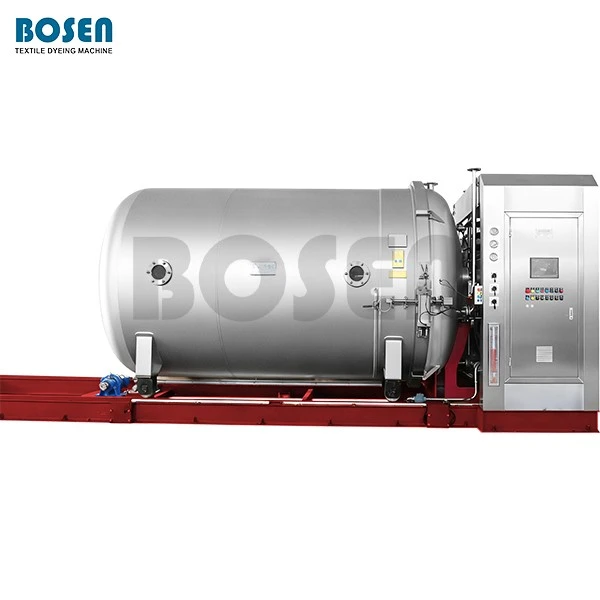

Now, let's get into the data to back this up, because I know as a dye operator, you care about numbers. We track all the machines we sell, and here's what I've seen: average lifespan of a standard low-temp jigger is 5-7 years, with major overhauls needed every 2 years. Elastic-specific modified jiggers last 4-6 years, overhauls every 18 months. Generic blended jiggers? 6-8 years, overhauls every 24 months. Our Hthp jiggers? Average lifespan is 12-15 years, with major overhauls only every 5-6 years. That's more than double the lifespan of the cheapest options. And when you factor in maintenance costs? Standard jiggers cost about $2,500 a year in parts and labor. Elastic modified: $3,000. Generic blended: $2,800. Hthp jigger: $1,200. Yeah, that's half the cost. Over 10 years, that's $18,000 saved on maintenance alone-plus you're not losing money to downtime from broken parts or failed batches.
I know what you're thinking: "Hthp jiggers are more expensive upfront, right?" Yeah, they are. But let's do the math. A standard jigger is $15,000, lasts 6 years: that's $2,500 a year. Our Hthp jigger is $25,000, lasts 12 years: that's $2,083 a year. And that's before you add maintenance costs. When you're running a business, the upfront cost is just the first line item-total cost of ownership is what matters. I've had small business owners start with a cheap jigger, then realize in 2 years they've spent more on repairs than if they'd just bought an Hthp jigger in the first place. One client in Turkey told me he went with a $14,000 jigger from a no-name brand, and by year 2, he'd spent $7,000 on repairs. He traded it in for our Hthp jigger, and in year 3, he spent $1,100 on maintenance. Total difference: almost $10,000 saved. That's money he put into hiring 2 more operators and expanding his production line.
Don't get me wrong-no machine is indestructible. Even the best Hthp jigger needs regular maintenance: cleaning the bath, lubricating rollers, checking seals every 6 months. But that's way less than what other machines need. The key is that Hthp jiggers are engineered for continuous, high-stress operations, which is exactly what most textile facilities run. They don't cut corners on materials, they don't skip stress testing, and they don't use cheap parts that fail when you need them most.
If you're in the market for a jigger, durability should be your top priority-way more than the sticker price. A machine that breaks down every few months isn't a tool; it's a liability. It ruins batches, frustrates your team, and eats into your profits. We've been supplying Hthp jiggers for over a decade, and every client that's made the switch hasn't looked back. They tell me the same thing: when you have a machine that runs when you need it to, you can focus on growing your business, not fixing dye equipment.
If you're ready to stop dealing with frequent breakdowns, high maintenance costs, and replacement parts that take forever to arrive, let's chat. We can talk about which Hthp model fits your fabric type-whether you're working with woven fabrics, elastic blends, synthetics, or anything in between. We also offer custom setups if you have specific production needs. Hit us up to get the details on our machines, spare parts, and support.


