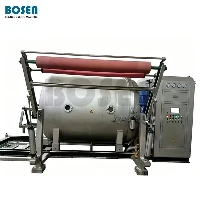
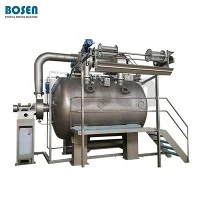
Selecting the appropriate dyeing bath ratio for the Hthp Jigger Dyeing Machine is a crucial step in the textile dyeing process. As a supplier of Hthp Jigger Dyeing Machines, we understand the importance of this parameter and its impact on the quality of dyed fabrics, cost - efficiency, and environmental sustainability. This blog post aims to provide comprehensive guidance on how to select the right dyeing bath ratio for the Hthp Jigger Dyeing Machine.
Understanding the Dyeing Bath Ratio
The dyeing bath ratio refers to the ratio of the weight of the dyeing liquor to the weight of the fabric being dyed. For example, a bath ratio of 1:10 means that for every 1 kg of fabric, 10 liters of dyeing liquor are used. The bath ratio can significantly affect the dyeing process, including dye uptake, color fastness, and the overall appearance of the dyed fabric.
Factors Affecting the Selection of Dyeing Bath Ratio
Fabric Type
Different fabric types have different absorption capacities and dyeing requirements. For instance, natural fibers like cotton and wool are more absorbent compared to synthetic fibers such as polyester. Cotton fabrics usually require a relatively higher bath ratio to ensure uniform dye penetration. A bath ratio of 1:15 - 1:20 might be suitable for dyeing cotton fabrics in an Hthp Jigger Dyeing Machine. On the other hand, polyester fabrics can be dyed with a lower bath ratio, around 1:8 - 1:12. You can learn more about the Jigger Dyeing Machine For Polyester Fabric on our website.
Elastic fabrics, which often contain spandex or other elastic fibers, also have unique dyeing needs. These fabrics require a bath ratio that allows for proper dyeing without causing excessive stretching or damage. A bath ratio of 1:12 - 1:18 could be appropriate for elastic fabrics. Our Elastic Fabric Jigger Dyeing Machine is designed to handle such fabrics effectively.
Dye Type
The type of dye used in the dyeing process also plays a vital role in determining the bath ratio. Reactive dyes, which are commonly used for natural fibers, require a certain amount of water to dissolve and react with the fabric fibers. A relatively higher bath ratio, such as 1:15 - 1:25, may be necessary for reactive dyeing to ensure complete dye dissolution and proper reaction.
Disperse dyes, used mainly for synthetic fibers like polyester, can work well with lower bath ratios. These dyes have good dispersion properties and can penetrate the synthetic fibers more easily. A bath ratio of 1:8 - 1:15 is often sufficient for disperse dyeing.
Dyeing Depth
The desired depth of color on the fabric is another important factor. For light - shade dyeing, a lower bath ratio can be used as less dye is required. The dye can be more concentrated in a smaller volume of liquor, and the fabric still achieves the desired light color. However, for deep - shade dyeing, a higher bath ratio may be necessary to ensure that there is enough dye available in the liquor to achieve the required color intensity.
Advantages of Selecting the Appropriate Bath Ratio
Cost - Efficiency
Using the right bath ratio can significantly reduce costs. A lower bath ratio means less water, less dye, and less energy consumption for heating the dyeing liquor. This not only reduces the raw material costs but also the energy costs associated with the dyeing process. Over time, these savings can add up, making the dyeing operation more profitable.
Environmental Sustainability
A lower bath ratio also has a positive impact on the environment. Less water is used in the dyeing process, reducing the amount of wastewater generated. This helps in conserving water resources and minimizing the environmental pollution caused by textile dyeing wastewater.
Quality of Dyed Fabrics
An appropriate bath ratio ensures uniform dyeing and better color fastness. When the bath ratio is too high, the dye may be diluted, resulting in uneven coloration and lower color fastness. On the contrary, if the bath ratio is too low, the fabric may not be fully immersed in the dyeing liquor, leading to patchy or incomplete dyeing.
How to Determine the Optimal Bath Ratio
Laboratory Testing
Conducting laboratory tests is the most reliable way to determine the optimal bath ratio for a specific fabric - dye combination. In the laboratory, small - scale dyeing experiments can be carried out with different bath ratios. The dyed samples can then be evaluated for color fastness, uniformity, and other quality parameters. Based on the results of these tests, the most suitable bath ratio can be identified.


Consider Machine Capacity
The capacity of the Hthp Jigger Dyeing Machine also needs to be taken into account. The machine should be loaded within its recommended capacity to ensure proper operation. The bath ratio should be adjusted accordingly to maintain the appropriate balance between the fabric weight and the dyeing liquor volume. For more information about our high - temperature jigger machines, you can visit our High Temperature Jigger and Hthp Textile Jigger Machine pages.
Consult with Experts
If you are unsure about the appropriate bath ratio for a particular dyeing job, it is advisable to consult with textile dyeing experts or our technical support team. We have extensive experience in the field of textile dyeing and can provide valuable advice based on your specific requirements.
Conclusion
Selecting the appropriate dyeing bath ratio for the Hthp Jigger Dyeing Machine is a complex but essential task. By considering factors such as fabric type, dye type, dyeing depth, and machine capacity, and by conducting laboratory tests, you can determine the optimal bath ratio for your dyeing process. This will not only improve the quality of your dyed fabrics but also enhance cost - efficiency and environmental sustainability.
If you are in the market for a high - quality Hthp Jigger Dyeing Machine or need more information on how to optimize your dyeing process, please feel free to contact us for a detailed discussion and procurement negotiation. Our team is ready to assist you in finding the best solutions for your textile dyeing needs. You can also explore our Ht Jigger Dyeing Machine offerings on our website.