

If you're in textile manufacturing, you've probably heard jet dyeing machines come up in convos with peers-especially if you're tired of dealing with mess, wasted supplies, or inconsistent dye jobs. As someone who's supplied these machines for years, I get it: you just want gear that works hard, doesn't break the bank, and keeps your team from pulling their hair out over dye mishaps. Today, let's break down the real advantages of using a jet dyeing machine-no sales jargon, just stuff I've seen actually move production floors forward.
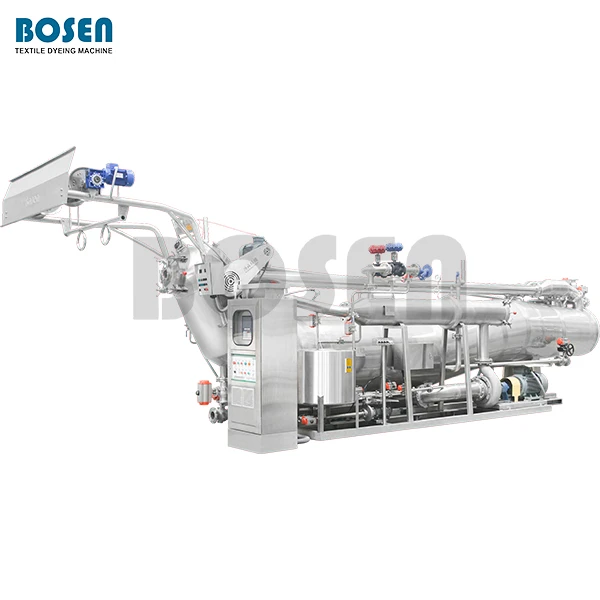
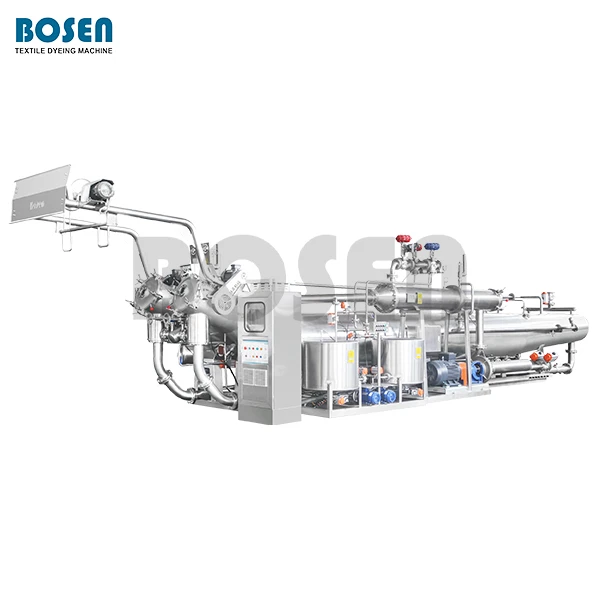
First off, let's talk about what makes jet dyeing different from those old batch dyeing machines you might've used in the past. Traditional machines submerge fabric in vats full of dye, which requires huge amounts of water and uses way more dye than you actually need. Jet dyeing? It uses pressurized jets (hence the name) to shoot dye liquor onto the fabric, moving it through the machine like a loop, not just letting it sit stagnant in liquid. That small difference is a game-changer for so many reasons.
Let's start with liquor ratio-this is a big one I hear about all the time from factory owners. The liquor ratio is how much dye liquor you use compared to the weight of the fabric. Old-school machines often have ratios of 10:1 or higher, meaning 10 liters of dye for every 1 kilo of fabric. Jet dyeing machines? You can get ratios as low as 4:1, even less for certain materials. For knitted fabric especially, this is a huge win-remember the last time you had to pay for thousands of liters of water to dye soft cotton jersey or stretchy spandex? Not only do you save on water bills, but you also cut down on how much dye and chemicals you use. Dye is pricey, y'all-every ounce you save adds up over hundreds of batches. I remember a client who switched to our Low Liquor Ratio Jet Dyeing Machine For Knitted Fabric (link) last year; they told me they cut their monthly water and chemical costs by 28% in three months. That's money they can put back into expanding their line or raising wages for their team.
Next up, fabric quality-this is make-or-break for any textile brand, right? If your dye job is streaky, faded, or damaged, you're tossing out product, which kills profits. Jet dyeing machines are way gentler on fabric than those old drum machines that twist and pull material. The jet flow is consistent, so the fabric moves smoothly through the liquor without getting stretched or wrinkled. Woven fabric, especially stuff like denim, poplin, or twill, can be tricky because it's stiffer and more prone to creasing. Our High Temperature High Pressure Jet Dyeing Machine For Woven Fabric (link) is designed to handle that pressure without roughing up the weave. A client that makes linen tablecloths told me they used to have 12% of fabric rejected for creases or uneven dye before switching to these machines; now that number's down to 2%. No streaks, no damaged fabric-less waste, more happy customers.
Wait, let's not forget versatility. Textile facilities don't just make one type of fabric-most handle woven, knitted, even blends like poly-cotton or spandex. Jet dyeing machines work with almost every common textile, which means you don't have to buy separate machines for different materials. If you're doing high-volume woven stuff for workwear or curtains, our High Temperature High Pressure Jet Dyeing Machine (link) gets the job done fast and evenly. If you're focusing on stretchy knits for activewear or socks, the Rapid Ht Jet Dyeing Machine For Knitted Fabric (link) has a faster cycle time-they can process batches in 2-3 hours instead of 6, which speeds up your overall production. That means you can turn around orders quicker, which is huge if you're dealing with tight deadlines for retail or wholesale clients.
Energy use is another win that's easy to overlook, but adds up big time. Old dyeing machines take forever to heat up, and they use constant high pressure to keep that big vat of liquor hot. Jet dyeing machines? They heat only the exact amount of liquor they're using, not a whole giant vat. Plus, the pressure is targeted to move the fabric, not just sit under a layer of liquid. A typical jet dyeing machine uses about 30% less energy than a traditional batch machine, according to the manufacturers I work with. For a factory that runs 24/7, that's thousands of dollars a year saved on electricity or gas. We had a small boutique textile plant switch a year ago; their energy bill dropped by $1,800 that first year alone. That's enough to cover a few team bonuses, no cap.
Now, let's talk sustainability-everybody's talking about this these days, and for good reason. If you're trying to make your facility more eco-friendly, jet dyeing machines are a must. The lower liquor ratio means less water waste, which is critical for areas facing water shortages. Also, because you use less dye, there's less leftover dye going down the drain. Our Eco Friendly Jet Dyeing Machine For Woven Fabric (link) has built-in systems to filter and reuse leftover dye liquor, so you barely have to dump any. One client in India used to have to pay to treat 10,000 liters of wastewater a month; now they only need to treat 3,000 liters, which cuts their wastewater treatment costs by 60%. Plus, many big brands now require suppliers to meet certain sustainability standards, so having a jet dyeing machine can help you lock in those big contracts. I can't tell you how many times a client has told me landing a Target or Nike order came down to their dyeing process being more eco-friendly than competitors.
Wait, what about maintenance and upkeep? A lot of factory owners worry that new tech will be a pain to fix, but jet dyeing machines are actually pretty straightforward. The parts are standardized, and most come with easy-to-follow guides-plus, as a supplier, I help my clients with ongoing support if something comes up. Unlike old machines with tons of moving parts that twist fabric and cause clogs, jet dyeing loops are designed to prevent fabric snags, which means less wear and tear on the machine itself. I've had clients who've run their jet dyeing machines for 5+ years with only routine tune-ups, no major repairs. That means less downtime, which is gold when you're trying to meet production deadlines.
Let's be real, no machine is perfect, but jet dyeing's benefits far outweigh any small downsides-like the initial cost, but that pays for itself in 1-2 years from all the savings we talked about (water, dye, energy, less waste). Plus, if you're worried about training your team, most machines have simple control panels, and we offer on-site training so your crew gets up to speed fast.
If you're ready to stop dealing with subpar dye jobs, wasted supplies, and slow production, jet dyeing machines are the way to go. I've seen factories go from stressed, over budget, and behind on orders to running smoothly, saving money, and even landing bigger clients just by switching. Whether you specialize in woven, knitted, or a mix of fabrics, there's a jet dyeing machine that fits your needs-from low-liquor ratio for knits to high-pressure for woven work.
If you want to chat more about which machine would work for your specific production goals, feel free to reach out to talk through your needs, compare models, or even set up a demo. No pressure, just honest advice from someone who's been in this game long enough to know what actually works.


