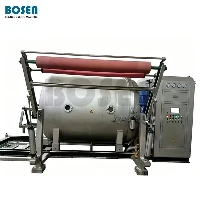
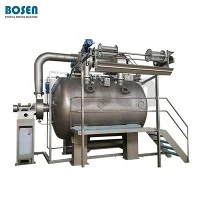
Hey there! I'm a supplier of lab beam dyeing machines, and today I wanna chat about how these nifty machines adjust the dyeing intensity according to the requirement.
So, what exactly is a lab beam dyeing machine? Well, it's a key piece of equipment in the textile industry used for small - scale dyeing tests. Before large - scale production, fabric manufacturers use these machines to figure out the best dyeing parameters, like how intense the color should be.
Factors Affecting Dyeing Intensity
Dye Concentration
One of the most straightforward ways to adjust dyeing intensity is by changing the dye concentration. Think of it like making a cup of coffee. If you want a stronger - tasting coffee, you add more coffee grounds. Similarly, in the world of dyeing, increasing the amount of dye in the dye bath will generally result in a more intense color on the fabric.
Let's say you're working on a sample project where you need a light - blue shade. You'll start with a relatively low concentration of blue dye in the bath. But if, during the process, the client requests a darker shade, you can simply add more dye to the bath.
Dyeing Time
The length of time the fabric stays in the dye bath can also have a significant impact on the dyeing intensity. More time in the dye bath usually means more dye molecules have a chance to bond with the fabric fibers.
For example, if you're dyeing a batch of cotton fabric, a short dyeing time of around 10 - 15 minutes might give you a pastel - like color. But if you extend the time to 30 - 45 minutes, you'll notice the color getting deeper and more intense.
Temperature
Temperature plays a crucial role in the dyeing process. Higher temperatures can speed up the movement of dye molecules, allowing them to penetrate the fabric fibers more easily.
In our Ht Lab Beam Dyeing Machine, we can precisely control the temperature. For some dyes, a higher temperature, say around 80 - 90°C, can lead to a much more intense color compared to a lower temperature of 40 - 50°C. However, it's important to note that not all fabrics and dyes can withstand high temperatures. Some delicate fabrics might get damaged or shrink at high temperatures, so you've gotta adjust accordingly.
Pressure
Certain types of lab beam dyeing machines, like the High Temperature High Pressure Lab Beam Dyeing Machine and Hthp Lab Beam Dyeing Machine, can use pressure to enhance the dyeing process.
Under high pressure, the dye molecules are forced into the fabric fibers more effectively. This means that you can achieve a higher dyeing intensity in a shorter period. For example, a high - pressure dyeing process might take only 20 minutes to achieve the same level of intensity that a normal - pressure process would take 40 minutes to reach.
How Our Machines Help Adjust Dyeing Intensity
Our lab beam dyeing machines are equipped with advanced control systems. You can easily set and adjust parameters like dye concentration, dyeing time, temperature, and pressure.
The control panel on our High Temperature Lab Beam Dyeing Machine is user - friendly. You can input the desired values for each parameter, and the machine will do the rest. It continuously monitors the process, ensuring that the conditions remain stable throughout the dyeing cycle.
Let's say you change the dye concentration. The machine will automatically adjust the flow rate of the dye injection system to maintain the correct ratio in the dye bath. If you want to increase the dyeing time, you can just press a few buttons on the control panel, and the machine will extend the cycle accordingly.
Step - by - Step Process to Adjust Dyeing Intensity
Step 1: Analyze the Requirement
Understand the client's needs. Whether they want a light, medium, or dark shade, you need to have a clear goal in mind. Look at any color samples or reference materials provided.
Step 2: Initial Parameter Setting
Based on your experience and basic knowledge of the fabric and dye, start by setting the initial parameters. For example, if it's a light - shade requirement, use a lower dye concentration and shorter dyeing time.
Step 3: Conduct a Test
Run a small - scale test on a sample piece of fabric. This allows you to see if the current settings are achieving the desired dyeing intensity.
Step 4: Adjust the Parameters
If the test result is not as expected, start adjusting the parameters one by one. If the color is too light, you can increase the dye concentration, extend the dyeing time, or raise the temperature (while ensuring it's within the fabric's tolerable range).
Step 5: Finalize and Produce
Once you've achieved the desired dyeing intensity on the sample, you can use the same parameters for the full - scale production.
Advantages of Using Our Lab Beam Dyeing Machines for Intensity Adjustment
First of all, they offer high precision. Our machines can control the parameters with a very small margin of error, which means you'll get consistent and accurate dyeing results every time.
Secondly, they're highly efficient. You can quickly adjust the parameters and complete the dyeing process in a shorter time compared to some traditional methods.
Finally, they're versatile. Whether you're working with different types of fabrics or a wide range of dyes, our machines can handle it all and adjust the dyeing intensity as needed.
Connect with Us for Dyeing Solutions
If you're in the market for a reliable lab beam dyeing machine that can adjust the dyeing intensity according to your specific requirements, look no further. We're here to help you find the perfect machine for your textile testing needs. Don't hesitate to reach out and start a conversation about your procurement needs. We're eager to assist you in achieving the best dyeing results for your projects.