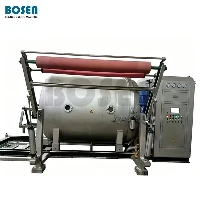
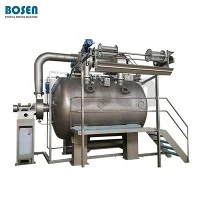
A lab beam dyeing machine is a crucial piece of equipment in the textile industry, especially for research and small - scale production. It allows for the precise control of the dyeing process, which is essential for achieving consistent color results. One of the most frequently asked questions by our clients, as a leading lab beam dyeing machine supplier, is: "How long does a dyeing cycle take in a lab beam dyeing machine?"
Understanding the Dyeing Cycle in a Lab Beam Dyeing Machine
The dyeing cycle in a lab beam dyeing machine is a multi - step process that includes several key stages: pre - treatment, dye application, fixation, washing, and post - treatment. Each of these stages contributes to the overall time of the dyeing cycle.
Pre - treatment
Pre - treatment is the first step in the dyeing process. Its purpose is to prepare the fabric for dyeing by removing impurities, such as dirt, oils, and sizing agents. This step can involve processes like scouring, bleaching, and mercerizing. The time required for pre - treatment depends on the type of fabric and the specific pre - treatment methods used. For natural fibers like cotton, pre - treatment can take anywhere from 30 minutes to 2 hours. Synthetic fibers usually require less time, typically around 15 - 45 minutes.
The pre - treatment is essential as it ensures that the fabric can absorb the dye evenly. If the pre - treatment is not thorough, the dye may not adhere properly to the fabric, resulting in uneven coloration. Our High Temperature High Pressure Lab Beam Dyeing Machine is equipped with advanced pre - treatment functions, which can significantly reduce the pre - treatment time while maintaining high - quality results.
Dye Application
Once the fabric is pre - treated, the dye is applied. The time for dye application is influenced by factors such as the type of dye, the fabric's affinity for the dye, and the desired color intensity. For reactive dyes, which are commonly used for cotton, the dye application process can take around 1 - 2 hours. Acid dyes, used for silk and wool, may take 45 minutes to 1.5 hours.
During dye application, the lab beam dyeing machine circulates the dye liquor through the fabric at a controlled temperature and pressure. Our High Temperature Lab Beam Dyeing Machine can precisely control these parameters, ensuring that the dye is evenly distributed across the fabric. This not only improves the color quality but also helps to speed up the dye application process.
Fixation
After the dye is applied, it needs to be fixed to the fabric to ensure color fastness. Fixation is usually achieved by heating the fabric in the dye liquor at a specific temperature for a set period. The fixation time varies depending on the dye type. For example, reactive dyes typically require 30 minutes to 1 hour of fixation.
The Ht Lab Beam Dyeing Machine we offer provides excellent temperature control during the fixation process. This precise control helps to optimize the fixation time, ensuring that the dye is firmly bonded to the fabric without over - heating or under - heating.
Washing
Once the dye is fixed, the fabric needs to be washed to remove any excess dye and chemicals. The washing process usually consists of several rinses, including cold water rinses and hot water rinses. The time for washing can range from 30 minutes to 1.5 hours, depending on the fabric and the dye used.
Thorough washing is crucial to prevent color bleeding and ensure the long - term color stability of the fabric. Our machines are designed with efficient washing functions, which can reduce the overall washing time while maintaining high - quality washing results.
Post - treatment
Post - treatment may involve processes such as softening, anti - creasing, or flame - retardant treatment, depending on the final requirements of the fabric. Post - treatment can take around 15 minutes to 1 hour.
Factors Affecting the Dyeing Cycle Time
In addition to the steps in the dyeing process, several other factors can affect the total dyeing cycle time.
Fabric Type
Different fabrics have different characteristics, such as fiber structure, porosity, and dye affinity. Natural fibers like cotton and wool usually take longer to dye than synthetic fibers like polyester and nylon. This is because natural fibers have a more complex structure and a higher affinity for water, which can slow down the dyeing process.
Dye Type
The type of dye used also plays a significant role in determining the dyeing cycle time. Reactive dyes, which form a covalent bond with the fabric fibers, generally require a longer dyeing cycle compared to direct dyes, which simply adsorb onto the fabric surface.
Machine Capacity
The capacity of the lab beam dyeing machine can affect the dyeing cycle time. A larger - capacity machine may take longer to heat up and cool down, and it may also require more time to circulate the dye liquor through a larger volume of fabric. However, our Hthp Lab Beam Dyeing Machine is designed with advanced heating and circulation systems, which can minimize the impact of machine capacity on the dyeing cycle time.
Estimating the Total Dyeing Cycle Time
Based on the factors mentioned above, the total dyeing cycle time in a lab beam dyeing machine can vary widely. For a simple dyeing process with synthetic fibers and direct dyes, the total cycle time can be as short as 2 - 3 hours. However, for a more complex process involving natural fibers and reactive dyes, the cycle time can range from 4 - 6 hours or even longer.
It is important to note that these are just estimates, and the actual dyeing cycle time may vary depending on the specific parameters of each dyeing project. Our technical support team is always ready to provide more accurate estimates based on your specific requirements.
Advantages of Our Lab Beam Dyeing Machines in Terms of Dyeing Cycle Time
Our lab beam dyeing machines are designed with efficiency in mind. They are equipped with advanced heating, circulation, and control systems, which can significantly reduce the dyeing cycle time compared to traditional machines. The precise temperature and pressure control ensure that each stage of the dyeing process is optimized, resulting in shorter cycle times and higher - quality dyeing results.
Contact Us for Your Lab Beam Dyeing Machine Needs
If you are in the textile industry and are looking for a high - quality lab beam dyeing machine, we are here to help. Our machines can offer you a more efficient dyeing process with reduced cycle times. Whether you are conducting research or small - scale production, our lab beam dyeing machines can meet your needs. Contact us today to start a discussion about your specific requirements and how we can provide the best solution for you.