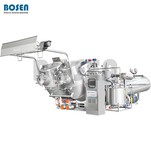
I. Energy-Saving Retrofitting of the Core Drive System
1. Adopt a common DC bus dual-inverter scheme: Replace traditional single-inverter or DC drive systems by feeding regenerative energy generated by braking motors directly to the drive motors; this achieves system operating efficiencies of 90%–95% and an overall electricity saving rate of approximately 40%.
2. Upgrade to high-performance variable frequency controllers: Utilize specialized jig dyeing machine inverters featuring inertia and friction compensation algorithms; improving torque control precision to ±5% prevents energy waste caused by tension fluctuations, resulting in electricity savings of about 27%.
II. Targeted Optimization of Major Energy-Consuming Components
1. Retrofit dye liquor circulation pumps: Replace traditional high-power unidirectional circulation pumps with low-power centrifugal pumps capable of bidirectional circulation; reducing drive motor power from 25kW to 15kW significantly cuts the duration of high-load, no-load pump operation, achieving up to 50% electricity savings in the circulation system for certain models.
2. Replace with high-efficiency, energy-saving motors: Phase out traditional asynchronous motors (90%–94% efficiency) to minimize energy loss from waste heat dissipation and reduce the additional electricity consumed by workshop ventilation and cooling systems.
III. Optimization of Process and Equipment Structure
1. Adopt high-performance, low-tension jig dyeing technology: Comply with the *Technical Guidelines for Green and Low-Carbon Development in the Printing and Dyeing Industry (2024 Edition)*; this achieves approximately 30% energy savings compared to conventional jig dyeing machines while enhancing production efficiency.
2. Upgrade to low liquor ratio machine designs: Control the equipment liquor ratio to below 1:8 to reduce the volume of dye liquor circulated unnecessarily, lower the continuous operating load on circulation pumps, and simultaneously decrease indirect electricity consumption during the heating phase.
3. Reduce non-working space volume: Install filler layers in areas such as the vessel heads, the lower section of the tank, and the upper ceiling space to minimize "dead space" during high-temperature operations, thereby reducing additional energy consumption in the heating and circulation systems.
IV. Reducing Electricity Consumption through Waste Heat Recovery and Intelligent Control
1. Implementation of a high-temperature water-source heat pump system for waste heat recovery: This system recovers waste heat from the ~60°C effluent discharged by jig dyeing machines to heat process water, replacing the energy-intensive heating methods used by traditional boilers and yielding annual energy-saving benefits of nearly one million yuan.
2. Installation of an online automatic monitoring and control system: This system enables precise, real-time management of operational parameters-such as current, torque, and rotational speed-thereby minimizing energy waste caused by improper manual operation and achieving refined electricity management across the entire process.